Last checked
What defines the Far-Western trekking experience?
Total solitude and raw Himalayan wilderness. Trekkers in the Far West explore valleys that see fewer foreign visitors in an entire year than Everest sees in a single morning.
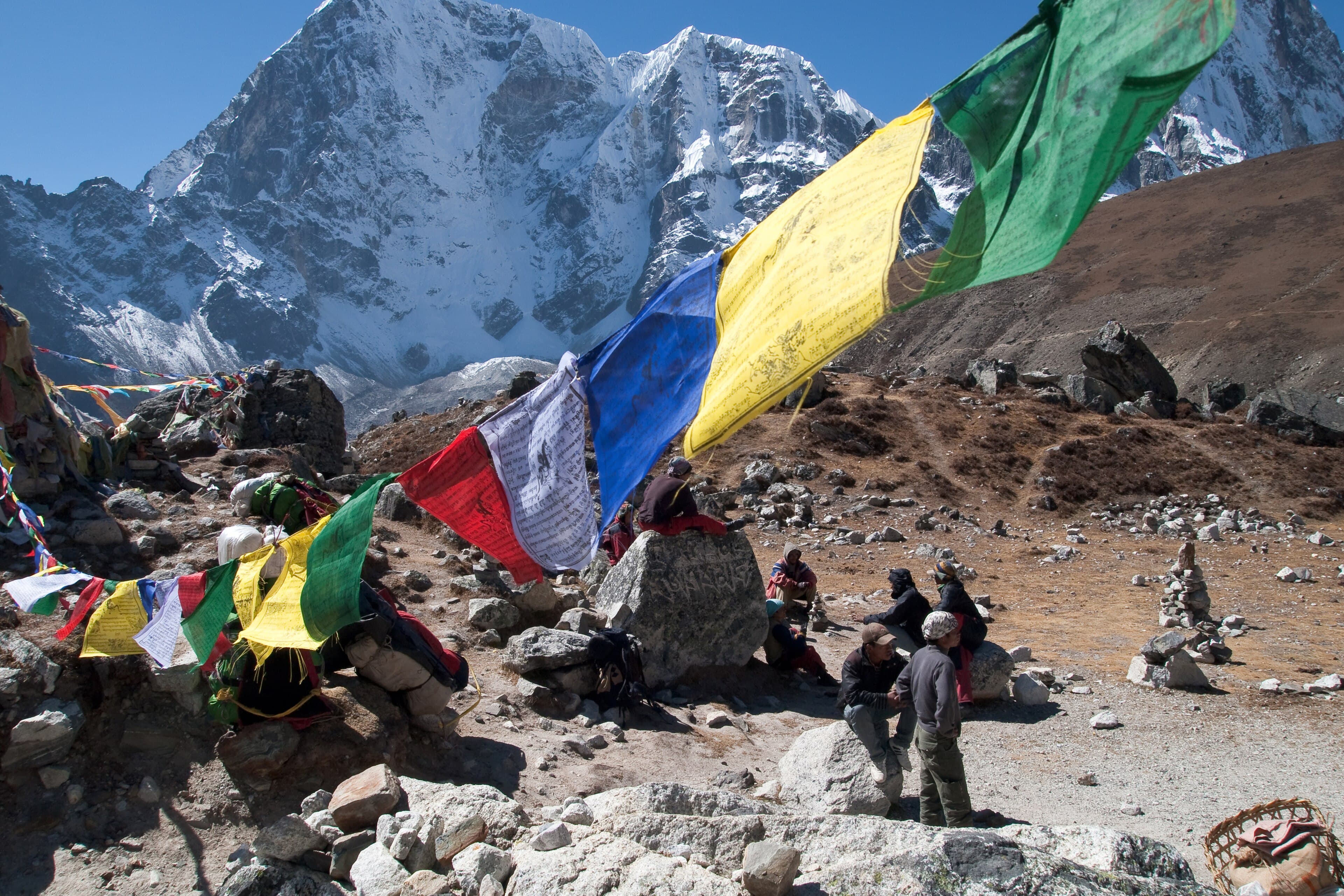
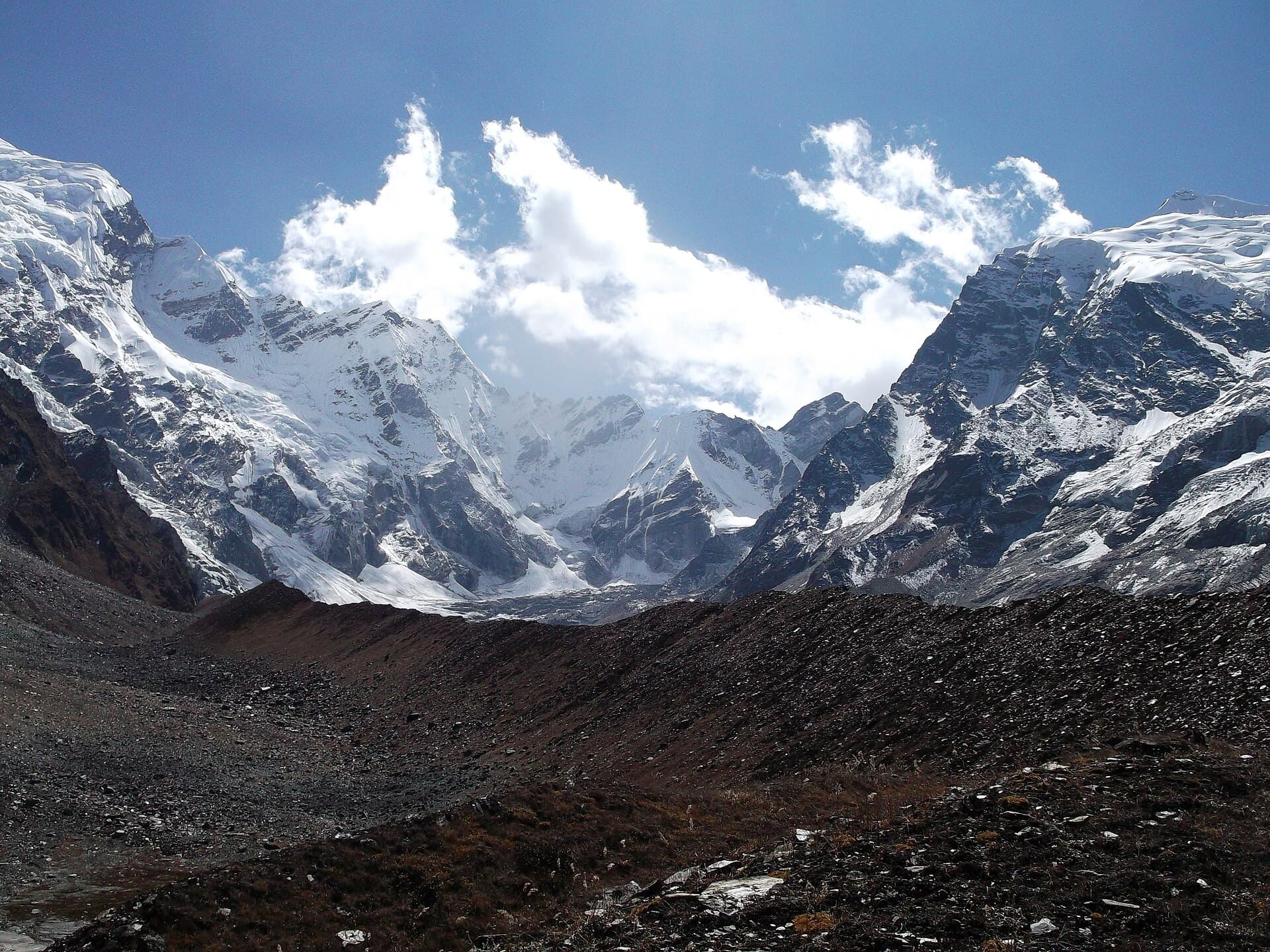
The landscape alternates between lush sub-tropical river canyons and dramatic glaciated peaks like Mount Api (7,132 m) and Mount Saipal (7,031 m).
There are virtually no commercial teahouses: expeditions require camping logistics, pack animals, and local mountain guides.
High meadows like Badimalika host ancient pilgrimage festivals where thousands of local devotees camp under starlit ridges.
How do you reach the Far-Western region?
Fly from Kathmandu to Dhangadhi or Nepalgunj, then travel by four-wheel-drive vehicle along mountain highways toward Gokuleshwor, Chainpur, or Bajura.
Travel in the Far West requires patience as mountain roads are steep, rugged, and prone to monsoon landslides.
Domestic flights connect Nepalgunj to remote STOL airstrips in Bajhang, Bajura, and Darchula depending on weather.
Because facilities are rustic, all food supplies, cooking gas, and medical kits must be arranged in advance.
Permits for the Far-Western Region
Api Nampa Conservation Area Permit (ANCA)
Issued by Department of National Parks and Wildlife Conservation
- Foreign
- NPR 3,000
- SAARC
- NPR 1,500
Official conservation permit required for visiting the Api Nampa protected zone.
Places you will pass through
Frequently asked questions
Sources checked
- Department of National Parks and Wildlife ConservationGovernment of Nepal, checked 10 October 2026
Fees and regulations in Nepal change. This page was last verified on 10 October 2026.